Courtesy of the
Certified Angus Beef® brand
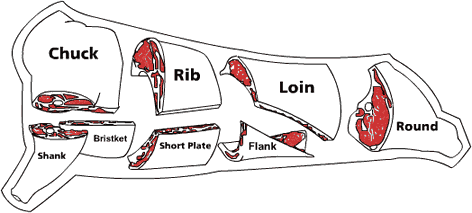
Did you know that beef is divided into sections called primal
cuts? From these large areas, the meat cutter makes smaller portions suitable
for individual or family-sized packaging. Different cuts of beef require unique
cooking methods. A chuck, for example, makes an excellent roast but isn’t as
pleasing when pan-broiled. With these details in mind, we have prepared the
following information for you to use as a guide when selecting and preparing
Certified Angus Beef ® cuts.
Chuck
Meat is basically muscle, and the chuck happens to be a heavily exercised area.
Luckily, this area contains a great deal of connective tissue, including
collagen. Collagen melts during cooking, making the meat intensely flavorful.
Cuts from this area benefit from slow, wet cooking methods like stewing,
braising or pot-roasting.
-
Blade Roast - an inexpensive cut which lies next to the ribs;
more tender than most chuck; makes an excellent roast. Alternatively, the
roast can be cut into a rib-eye steak, with meat above and below the bone
excellent for stir-fry dishes
-
Chuck Steak - a good choice for kabobs if well marinated
Rib
Tender and flavorful ribs can be cooked any number of ways. Most recipes call
for ribs to be roasted, sauteed, pan-fried, broiled, or grilled.
-
Rib Roast - known as a standing rib roast (bone left in), or
without the bone for convenient slicing. Excellent when dry roasted. A
seven-bone prime rib roast can be quite a hefty addition to the dinner table. It
is great for a crowd, but for a small family a bone roast will do. Many butchers
will cut a roast to order for you -
Rib Steak - also cut from the rib section, these
tender steaks can be purchased bone-in or as boneless rib-eye
Short Loin
This
area boasts extremely tender cuts and can be prepared without the aid of moist
heat or long cooking times. Cuts from the short loin may be sauteed, pan fried,
broiled, pan broiled or grilled.
-
Porterhouse Steak - a very popular steak cut from the rear end of the short loin;
the name originated from the days when it was served in public alehouses that
also served a dark beer called porter. The porterhouse consists of both
tenderloin and sirloin tip. The tenderloin is often served separately as filet
mignon -
T-bone Steak - cut from the middle section of the short loin; similar to
the porterhouse steak; has a smaller piece of the tenderloin; usually grilled or
pan-fried -
Tenderloin - often considered the most tender cut of beef; responds well
to sauces, meaning the meat does not overpower the flavor of the sauce. It can
be cut as the whole strip, or into individual steaks for filet mignon
Sirloin
“The backbone’s connected to the – hipbone”-not a song, but a sirloin. These
tender cuts respond well to sauteing, pan-frying, broiling, pan-broiling or
grilling.
-
Sirloin Steaks - these steaks are available in a variety of boneless and bone-in
steaks -
Sirloin Tip Roast - excellent when dry roasted or marinated
Flank
This meat
is lean, muscular and very flavorful. Flank is primarily used for flank steaks
and rolled flank steaks. It can also be used for kabobs.
-
Flank Steak - this steak has a great flavor, and should be sliced thin against the
grain for maximum chewability. Use to make the classic London broil
Short Plate
This section is best used for stew meat, where its rich, beefy flavor can be
appreciated.
Round
The round consists of lean meat well-suited to long,
moist cooking methods.
-
Top Round - this is the most tender part of the round; it can be prepared as pot
roast or cut into thick steaks for braised dishes
-
Rump Roast - a very popular cut
for pot roast, but can also be roasted at low temperatures
Shank/Brisket
Traditionally used for corned beef, brisket is best prepared with moist heat.
Suitable preparation methods include stewing, braising and pot-roasting.
-
Foreshank - excellent stew meat
-
Brisket First Cut - a leaner cut of the brisket, for
those who want the flavor but not the fat of a brisket pot roast
-
Brisket Front
Cut - fork tender and succulent, a Certified Angus Beef ® pot roast made with this
cut is truly mouthwatering.